Multi-Generational Living: Why More Families Are Choosing It—and What to Look for When Buying
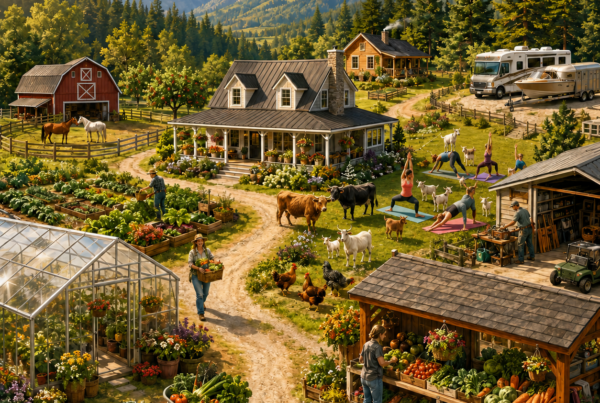
Multi-generational living isn’t a new idea—it’s actually a return to the way many families lived for generations. For much of history, it was common for grandparents, parents, and children to share one home, supporting one another through every stage of life. Beginning in the 1970s, independence became the ideal. Young adults were encouraged to move away, buy their own homes, and build separate households. Today, that trend is shifting once again. Rising housing costs, aging parents, adult children needing more time to become financially established, and a renewed appreciation for family support are bringing families back together under one roof. In fact, more than 2.4 million Canadians now live in a multi-generational household, and British Columbia has one of the highest rates in the country.
Why Families Are Choosing Multi-Generational Living
Every family has different reasons, but some of the most common include:
-Helping aging parents remain close while maintaining independence.
-Supporting adult children as they save for their own home.
-Sharing household expenses.
-Reducing childcare costs with grandparents nearby.
-Providing care for a family member with a disability.
-Building long-term family wealth by owning one larger home instead of two smaller ones
When everyone has the right amount of privacy, multi-generational living can strengthen relationships while reducing financial pressure.
Is a Separate Suite Necessary?
Not necessarily. A self-contained suite certainly makes multi-generational living easier, but it’s not the only solution. Some homes work exceptionally well simply because of their layout.
Look for features such as: Separate entrances, Bedrooms and bathrooms on different levels, A walk-out basement, Multiple family or living rooms, Space for a future kitchenette, Independent outdoor living areas, and Plenty of parking. Privacy is often just as important as extra square footage.
A well-designed home allows family members to spend time together while still having a place to retreat when they need it.
What Should Buyers Look For?
If you’re specifically searching for a multi-generational home, consider more than just the number of bedrooms.
Ask yourself, does the layout create privacy? Separate living areas reduce day-to-day friction and allow everyone to maintain their own routines. Can everyone age comfortably? If parents are moving in, consider stairs, wider hallways, accessible bathrooms, and whether the main living areas are easy to navigate. Is there room to adapt? Families change. Today’s home office may become tomorrow’s bedroom. A recreation room could eventually become a living room for an aging parent. Flexibility is incredibly valuable. Does the property fit everyone’s lifestyle? Outdoor space, parking, storage, gardens, workshops, and proximity to schools, parks, and shopping all become even more important when multiple generations share one property.
Buying a Home Without a Suite?
Don’t rule it out. Many buyers purchase homes with the intention of renovating later. An unfinished basement or walk-out lower level can often provide an excellent starting point for creating additional living space, provided local zoning and building requirements can be met. When viewing homes, think about potential—not just what’s already there. A property with good bones and the right layout may offer more possibilities than one with an existing suite that doesn’t truly meet your family’s needs.
Are There Programs That Can Help?
Depending on your situation, there may be financial assistance available.One of the most significant federal programs is the Multigenerational Home Renovation Tax Credit (MHRTC). This refundable tax credit helps offset the cost of creating a qualifying self-contained secondary suite for a senior or an adult eligible for the Disability Tax Credit. Eligible families can claim qualifying renovation expenses, up to program limits, when they meet the requirements.
British Columbia homeowners should also check for provincial incentives and rebate programs, as these change periodically. While the former BC Secondary Suite Incentive Program is no longer accepting new applications, other provincial and municipal renovation or energy-efficiency programs may still be available depending on your project. It’s always worth speaking with your accountant, lender, local municipality, or a qualified tax professional before beginning a renovation
A Home That Already Checks Many of the Boxes
If multi-generational living is part of your future plans, homes that already offer separate living spaces can save significant time, money, and disruption. 1220 Cedar Street in Creston is a great example. With 4 bedrooms, 3 bathrooms, a self-contained in-law suite, a walk-out basement, nearly half an acre of fenced yard, greenhouse, workshop, and a location backing onto a park, it offers the flexibility many families are searching for today. Whether you’re welcoming aging parents, giving adult children a place to launch, or simply looking for a home that can adapt as life changes, having those features already in place can make the transition much easier.
Final Thoughts
Multi-generational living isn’t just about sharing a house. It’s about creating a home that gives every family member space, independence, and the opportunity to support one another while making smart financial decisions. As housing costs continue to evolve, we’re likely to see even more families looking for homes that can serve multiple generations under one roof.
Choosing the right property today could make life significantly easier for years to come.
Thinking about buying a home that works for your entire family?
If you’re looking for a property that offers flexibility for multi-generational living, I’d be happy to help you identify homes with layouts that will work not only for today, but for many years into the future.
Diana Klejne Personal Real Estate Corporation
Stonehaus Realty Corp. 604-789-8202
 DianaKlejne@Gmail.com