Why Creston May Be One of the Best Places to Be During Economic Disruptions
What if true wealth isn’t just what you have in the bank—but where you live, who you know, and how resilient your community is?
In recent years, we’ve been reminded just how interconnected and fragile our modern world can be.
Pandemics, supply chain disruptions, transportation interruptions, fertilizer shortages, inflation, fuel price spikes, wildfires, floods, geopolitical conflicts, and labour disputes have all affected the cost and availability of everyday goods. Many Canadians have begun asking a question that would have seemed unusual a generation ago:
How resilient is my community if things become more difficult?
This isn’t about preparing for societal collapse.
It’s about understanding that disruptions happen—and choosing to live in a place that is better positioned to adapt when they do.
And that is where the Creston Valley becomes a very interesting conversation.
Economic Disruption Doesn’t Have to Mean Collapse
When many people hear the phrase “economic disruption,” they immediately think of worst-case scenarios.
The reality is usually much less dramatic.
Economic disruptions often look like:
- Rising fuel prices
- Higher grocery bills
- Fertilizer shortages
- Transportation delays
- Empty shelves for specific products
- Inflation
- Power outages
- Extreme weather events
- Supply chain interruptions
We have already experienced many of these challenges over the past several years.
The question isn’t whether disruptions will happen again.
The question is how prepared your community is to respond.
The Strait of Hormuz: A Current Example
One of the world’s most important trade routes is the Strait of Hormuz, a narrow shipping corridor connecting the Persian Gulf to global markets.
A significant portion of the world’s oil and natural gas exports pass through this region.
When tensions rise or shipping becomes disrupted, the effects can ripple around the world.
Higher fuel costs impact:
- Transportation
- Agriculture
- Manufacturing
- Home heating
- Grocery prices
Fertilizer production is also heavily tied to energy markets, meaning disruptions can affect food production and food prices far beyond the Middle East.
The Strait of Hormuz is only one example.
Other Events That Could Create Future Disruptions
History suggests that disruptions come from many directions:
Natural Disasters
Wildfires, floods, droughts, and severe weather events can damage infrastructure and transportation networks.
British Columbia has already experienced major highway closures, rail disruptions, and supply chain interruptions caused by natural disasters.
Global Conflict
Conflicts affecting energy-producing regions, shipping routes, or agricultural exporters can quickly impact prices around the world.
Labour Disputes
Port strikes, rail strikes, and transportation interruptions can delay the movement of goods across Canada.
Power Grid Challenges
Extreme weather, cyberattacks, or aging infrastructure can affect electricity distribution and communications.
Food Production Challenges
Disease outbreaks, droughts, fertilizer shortages, and transportation disruptions can all affect food availability and pricing.
None of these events mean society stops functioning.
But they do remind us that resilience matters.
Why Creston Is Different
One of the unique strengths of the Creston Valley is that many of the skills, resources, and community connections that helped previous generations navigate difficult times still exist here today.
Food Is Grown Here
The Creston Valley is one of British Columbia’s most productive agricultural regions.
Local production includes:
- Beef
- Pork
- Poultry
- Eggs
- Fruit
- Vegetables
- Hay
- Grain
- Honey
- Dairy products
Many residents maintain gardens, orchards, greenhouses, and small farms.
The valley’s growing season is among the longest in British Columbia.
That matters.
Knowledge Still Exists
Perhaps the most valuable resource isn’t the land itself.
It’s the people.
The Creston Valley still has residents who know how to:
- Grow food
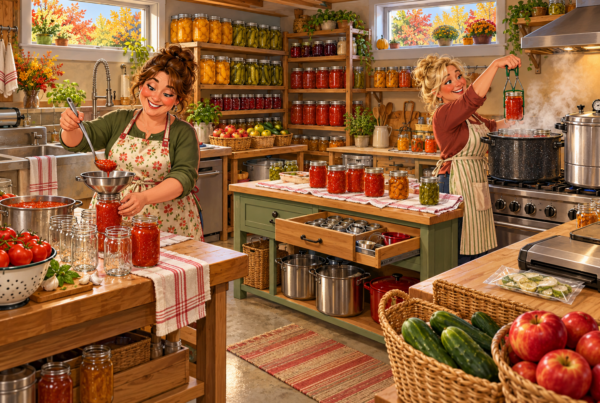
- Preserve food
- Raise livestock
- Heat with wood
- Repair equipment
- Manage water systems
- Hunt
- Fish
- Forage
Many of these skills have become increasingly rare in urban centres.
Here, they are still part of everyday life.
A Culture of Self-Reliance
One of the things that attracts many people to the Creston Valley is the culture.
People here often value:
- Practical skills
- Independence
- Resourcefulness
- Community support
- Stewardship of the land
This doesn’t mean people live in isolation.
Quite the opposite.
Strong communities often emerge when people are capable of helping themselves and helping each other.
Community Matters
One of the greatest forms of resilience is community.
When challenges arise, people often rely on:
- Neighbours
- Family
- Friends
- Local businesses
- Farmers
- Tradespeople
The Creston Valley has a long tradition of people helping one another.
That social capital becomes incredibly valuable during difficult times.
Living Closer to the Source
Many Canadians live far removed from where their food, energy, and necessities originate.
In Creston, many people are directly connected to:
- Food production
- Local agriculture
- Natural resources
- Skilled trades
- Community networks
That connection creates options.
And options create resilience.
True Wealth May Look Different Than We Were Told
For decades, success was often defined by larger homes, bigger cities, and greater convenience.
But recent events have caused many people to rethink what wealth actually means.
Perhaps wealth also includes:
- Access to food
- Strong community relationships
- Practical skills
- Productive land
- Healthy ecosystems
- Local knowledge
- Resilience
These assets don’t appear on investment statements.
Yet they may prove incredibly valuable in the years ahead.
Why People Are Looking at Places Like Creston
People aren’t moving to places like the Creston Valley because they expect catastrophe.
They’re moving because they recognize the value of living in a community that remains connected to the land, to food production, to practical skills, and to each other.
The future will always bring uncertainty.
But communities that produce food, share knowledge, support neighbours, and maintain strong local networks may be better positioned to adapt to whatever comes next.
And that’s one of the many reasons the Creston Valley continues to attract people looking not just for a home—but for a more resilient way of life.
Are you seeking a more sustainable life? Check out my Buyer’s Knowledge Centre
Diana Klejne Personal Real Estate Corporation Stonehaus Realty Corp
 604-789-8202
 DianaKlejne@Gmail.com