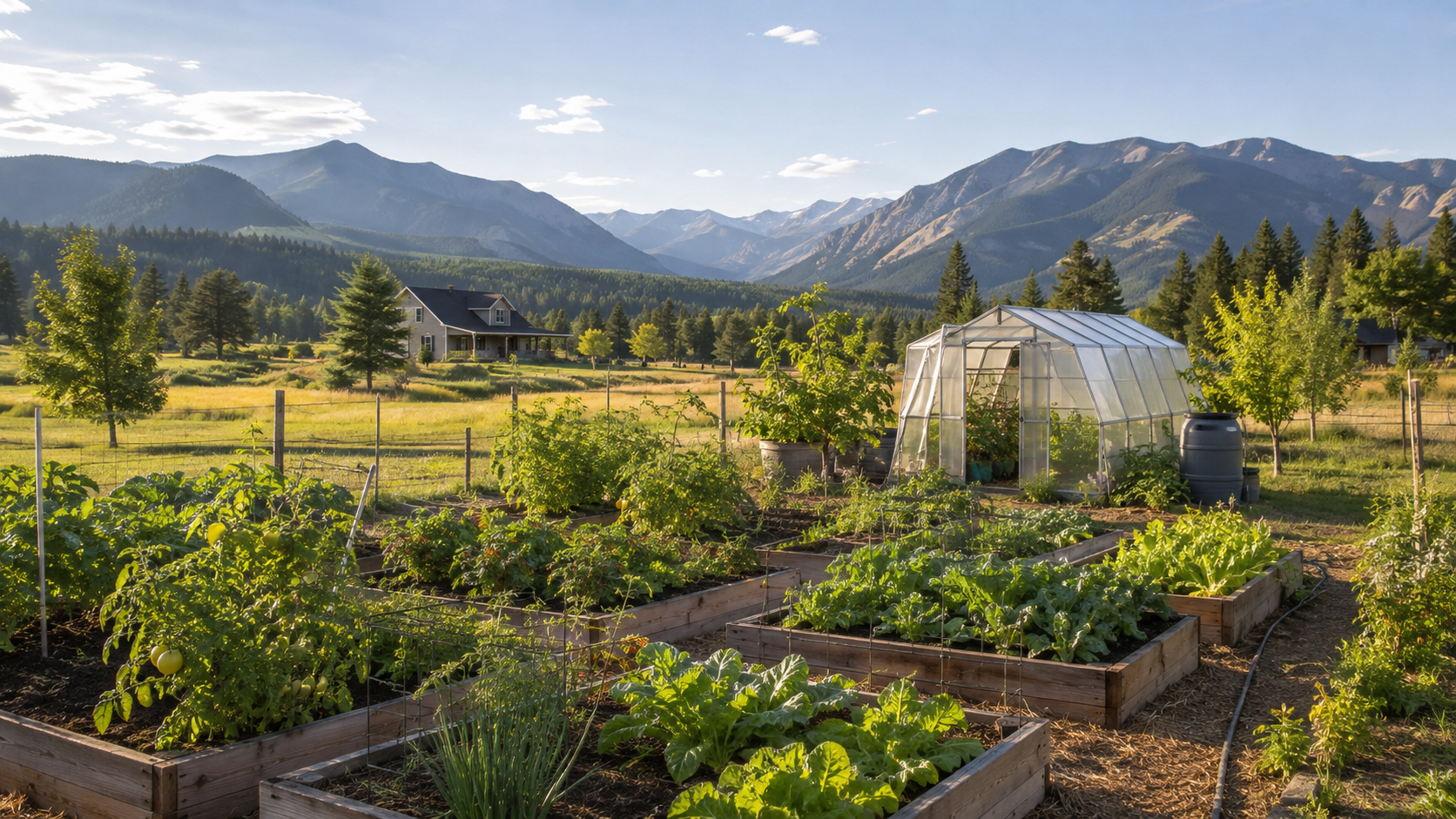
The Truth About Buying Land for Self-Sufficiency
The dream is easy to picture: a productive garden, fruit trees, a greenhouse and shelves filled with food you have grown and preserved yourself.
But here’s the part many acreage buyers miss: not every piece of land will make that dream easy—or affordable.
Some properties already have the sunlight, water, soil and infrastructure needed to support a productive garden. Others may require years of work and thousands of dollars before you harvest your first tomato.
The Property Needs to Match the Dream
When Diana and Derek bought their acreage, there was no established garden—only lawn. They started from scratch and quickly learned that the land itself plays an enormous role in how easy or difficult it will be to grow food.
Before looking at properties, buyers need to think honestly about what they are trying to accomplish.
Do you want a small garden for fresh summer vegetables? Are you hoping to preserve food for winter? Or is your goal to produce a large percentage of your household’s food?
The answers affect how much land, water, sunlight and infrastructure you will need.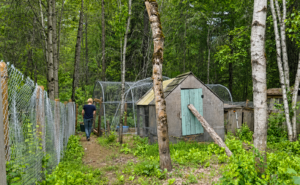
What Should You Look For?
In her latest video, Diana shares the questions buyers should ask before purchasing land for gardening, homesteading or greater self-sufficiency.
Some of the considerations may seem obvious. Others are easily overlooked:
• Is there enough water—and is it available when you need it most?
• Does the property receive enough direct sunlight?
• Are there frost pockets, drainage problems or strong winds?
• What is the soil actually like beneath the grass?
• Will rocky ground make fencing difficult and expensive?
• Are nearby orchards or agricultural properties regularly sprayed?
• How much pressure is there from deer, elk, rabbits, birds or bears?
• Is there a practical location for a greenhouse?
• How far will you need to carry water, tools and harvested produce?
Even a beautiful acreage may not be the right acreage for your particular goals.
Sometimes the Best First Step Is to Wait
If a property doesn’t already have a garden, Diana suggests resisting the urge to build one immediately.
Living on the property through the seasons gives you time to see where the sun falls, where snow accumulates, which areas stay wet, where the wind hits hardest and where frost settles.
Nature will often show you where the garden should go—if you give yourself time to observe it.
Growing Food Is Only Half the Story
A productive garden can offer greater food security, better-quality food and the satisfaction of learning valuable, lifelong skills.
But it also takes an investment. Fencing, irrigation, raised beds, soil, tools, fruit trees and greenhouse construction can add up quickly.
Then comes the harvest.
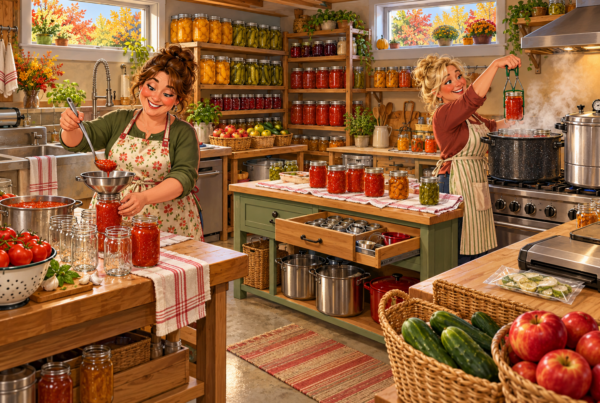
If your goal is greater self-sufficiency, you also need a plan for preserving what you grow through canning, dehydrating, freezing, fermenting, freeze-drying or root cellaring.
The real reward comes when the food harvested in summer continues feeding your household throughout the winter.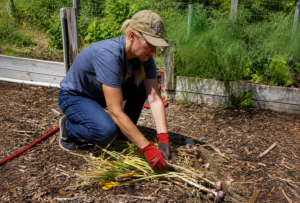
Could This Property Support Your Plans?
Almost every piece of land can grow something. The important question is whether it can grow what you want, at the scale you want, without turning your self-sufficiency dream into a frustrating and unexpectedly expensive project.
Before buying an acreage for gardening or homesteading, watch The Truth About Buying Land for Self-Sufficiency (Most People Miss This).
Diana shares what she and Derek learned from building a garden from scratch and the questions she wishes more buyers would ask before choosing a rural property.
If you find the video helpful, please give it a like and subscribe to The Wealthy Acre for more honest, practical conversations about acreages, rural living and becoming more self-sufficient.
Diana Klejne Personal Real Estate Corporation
Stonehaus Realty Corp. 604-789-8202
 DianaKlejne@Gmail.com